
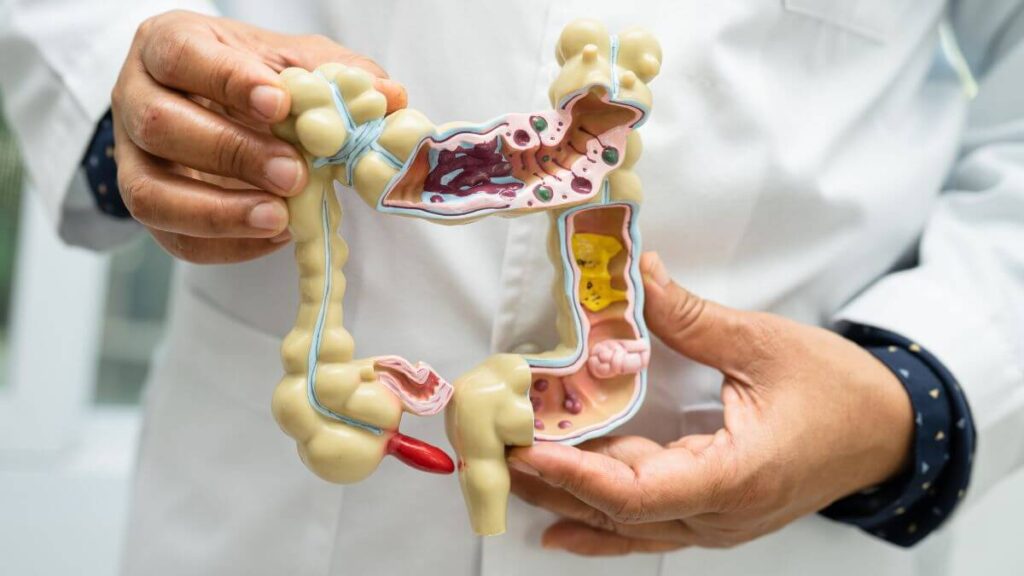
Digestive health plays a central role in overall wellness, influencing everything from nutrient absorption to immune function. When the digestive system isn’t functioning properly, it can affect multiple areas of the body and contribute to chronic conditions such as fatigue, inflammation, and even cardiovascular problems. For patients seeking a thorough, coordinated approach to gastrointestinal (GI) care, an internal medicine physician provides essential support.
Medical Clinic of Houston, L.L.P., internal medicine physicians work closely with specialists in Gastroenterology to evaluate, diagnose, and manage a wide range of digestive conditions. Their goal is to help patients maintain long-term digestive health through early detection, preventive strategies, and ongoing care tailored to individual needs.
Understanding Digestive Health and Its Importance
The digestive system is responsible for breaking down food, absorbing nutrients, and eliminating waste — functions that are vital for maintaining energy, immunity, and metabolic balance. When disruptions occur in this system, they can lead to symptoms like bloating, pain, indigestion, constipation, or diarrhea. Over time, these issues may point to more serious underlying conditions such as irritable bowel syndrome (IBS), ulcers, gallbladder disease, or inflammatory bowel disease (IBD).
An internal medicine physician is uniquely trained to identify how digestive problems may relate to other body systems. Because internal medicine focuses on the comprehensive health of adults, internists often detect patterns and correlations that help uncover the root causes of chronic symptoms.
The Role of an Internal Medicine Physician in Digestive Care
While gastroenterologists specialize in the digestive system, internal medicine physicians serve as the first line of evaluation for most patients. They help identify symptoms that may require further investigation and coordinate care with specialists when necessary.
Here’s how internists support digestive health across various stages of diagnosis and management:
1. Comprehensive Evaluation and Screening
During an internal medicine appointment, the physician conducts a thorough review of a patient’s medical history, current symptoms, diet, and lifestyle. They may recommend laboratory tests or imaging studies to assess liver function, nutrient absorption, or inflammatory markers.
Internal medicine physicians also play a key role in preventive screening. For example, they often coordinate referrals for colonoscopies or other tests performed by the Gastroenterology Department to detect early signs of colon polyps or digestive tract cancers.
By identifying risk factors such as diet, alcohol use, or family history, internists can create proactive plans to prevent digestive complications before they arise.
2. Managing Chronic Digestive Conditions
For patients living with long-term digestive issues, an internal medicine physician helps coordinate care and ensure treatment consistency. Conditions like acid reflux (GERD), ulcers, and irritable bowel syndrome often require ongoing management through dietary modifications, medications, and regular follow-up visits.
Internists monitor these conditions closely, adjusting treatment plans as needed to improve comfort and prevent complications. They also help manage related issues such as fatigue, nutrient deficiencies, or dehydration that may accompany chronic digestive disorders.
Through collaboration with specialists, internists ensure patients receive integrated care across all aspects of their health.
3. Identifying the Link Between Digestive and Systemic Health
Digestive health affects much more than the stomach and intestines. The gut is deeply connected to immune function, metabolism, and even mental health. Internal medicine physicians are trained to see these interconnections, making them well-equipped to manage conditions that involve multiple organ systems.
For instance, they may identify links between digestive inflammation and autoimmune diseases, or between poor gut health and cardiovascular risk. This whole-body perspective allows internists to treat the patient as a complete system rather than focusing on isolated symptoms.
Common Digestive Conditions Managed by Internal Medicine Physicians
Some of the most frequent digestive concerns seen by internists include:
- Acid reflux and heartburn (GERD): Chronic irritation of the esophagus that can lead to discomfort and long-term complications if untreated.
- Irritable bowel syndrome (IBS): A condition marked by alternating constipation, diarrhea, and abdominal pain.
- Peptic ulcers: Painful sores in the stomach or small intestine often linked to infection or medication use.
- Gallstones and liver conditions: Issues that can affect bile flow, digestion, and overall energy balance.
- Food intolerances and sensitivities: Reactions that cause bloating, discomfort, or fatigue after certain meals.
Through regular internal medicine appointments, these conditions can be identified early and managed effectively to minimize their impact on daily life.
The Importance of Preventive Care in Digestive Health
Preventive care is one of the most valuable aspects of internal medicine. Routine checkups allow internists to detect subtle warning signs of digestive issues before they progress into chronic problems.
During preventive visits, MCH physicians often provide:
- Nutritional counseling: Recommendations for balanced diets that promote gut health and reduce inflammation.
- Screening referrals: Coordination of age-appropriate colon cancer screenings and other age-appropriate digestive tests. Current Clinic patients scheduled for colonoscopies with an MCH Gastroenterologist eliminates the need for a separate initial GI consultation.
- Medication reviews: Ensuring current prescriptions do not negatively impact the digestive system.
- Lifestyle guidance: Support for improving habits that influence digestion, such as hydration, exercise, and stress management.
By maintaining an ongoing relationship with an internal medicine physician, patients benefit from continuous monitoring and education that encourages lifelong wellness.
Coordinated Care for Optimal Health
At Medical Clinic of Houston, L.L.P., internal medicine physicians collaborate closely with gastroenterologists and other specialists to provide a seamless continuum of care. This teamwork ensures that every aspect of a patient’s digestive and overall health is addressed through evidence-based treatment and open communication.
The clinic’s Internal Medicine doctors focus on comprehensive adult care — helping patients understand their conditions, track progress, and maintain better long-term health. Whether it’s monitoring lab results, adjusting medications, or providing preventive guidance, internists play a central role in helping patients achieve digestive balance.
Schedule an Internal Medicine Appointment
If you’ve been experiencing persistent digestive discomfort, changes in bowel habits, or unexplained fatigue, it may be time to schedule an internal medicine appointment. Early evaluation helps identify the cause of symptoms and prevent complications.
The team at Medical Clinic of Houston, L.L.P. is dedicated to helping patients understand and manage their digestive health through coordinated, patient-centered care. Contact us to schedule your appointment and take the first step toward a healthier digestive system and improved overall wellness.