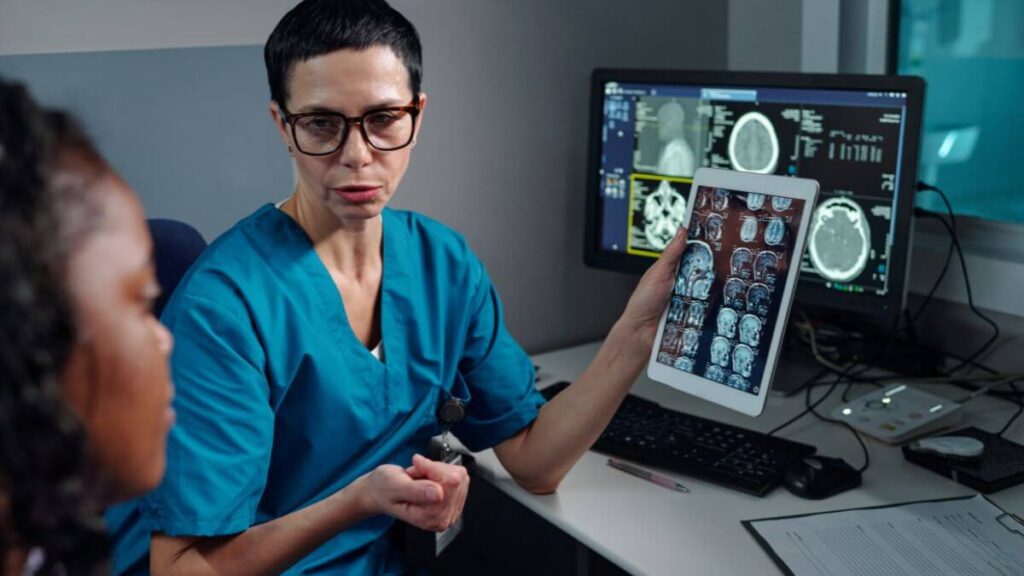
Diagnostic imaging uses advanced technology to produce internal body images that help detect health conditions early. Preventive screening refers to routine tests that identify potential concerns before symptoms develop.
At Medical Clinic of Houston, L.L.P., we use diagnostic imaging as an essential part of preventive care. Because many health conditions progress silently, early identification through imaging allows us to intervene sooner, monitor risks more accurately, and guide treatment decisions effectively. For adults seeking proactive and comprehensive care, diagnostic imaging plays a vital role in supporting long-term health.
What Is Diagnostic Imaging and Why Does It Matter?
Diagnostic imaging refers to non-invasive tests that generate visual representations of internal organs, bones, and tissues. These tests, and their interpretation by our on-site radiologists, help general internal medicine doctors evaluate the body’s structure and function without the need for invasive procedures.
Common imaging tools include:
- X-rays to evaluate bones, joints and certain soft tissues (including mammography)
- CT scans to capture detailed cross-sectional views throughout the body
- MRI scans for high-resolution images of the brain, internal organs and musculoskeletal system
- Ultrasound to assess organs, blood flow or clots, and soft tissues
- Bone density scans (DEXA scans) for evaluating fracture risk
Each imaging method provides unique, important information that contributes to accurate evaluation and ongoing monitoring.
Our radiology services offer a wide range of imaging modalities (or tools) to be used for preventive and long-term care.
How Do Internal Medicine Doctors Use Diagnostic Imaging in Preventive Care?
General Internal Medicine doctors integrate imaging results into preventive screening plans to support early detection and guide ongoing care. Rather than waiting for symptoms to develop, we use imaging to evaluate potential concerns proactively.
1. Detecting Early Structural Changes
Many health conditions develop slowly and without noticeable symptoms. Imaging can reveal subtle structural changes—such as tissue abnormalities, bone density loss, or early organ enlargement—that may indicate a developing issue.
Identifying these patterns early helps us determine whether further testing, lifestyle modifications, or treatment adjustments are needed.
2. Monitoring High-Risk Patients
Individuals with risk factors such as age, family history, or chronic conditions benefit significantly from routine imaging. For example, adults with metabolic syndrome or abnormal lab values may undergo imaging to monitor kidney or liver function, while those with cardiovascular risk may require imaging to assess vascular health.
These scans help us monitor progression and adjust care plans before complications arise.
3. Supporting Preventive Screening Programs
Imaging is a key component of many routine preventive screenings, including:
- Bone density testing to measure fracture risk
- Cardiovascular imaging to detect early signs of atherosclerosis in the heart and blood vessels
- Abdominal imaging for structural abnormalities
- Lung imaging for long-term respiratory health and cancer screening in high-risk patients
Preventive screening ensures that potential health issues are identified early, before symptoms disrupt daily life or overall well-being.
What Types of Conditions Can Be Detected Before Symptoms Appear?
Although diagnostic imaging cannot diagnose every condition, it can reveal early signs of many health concerns before symptoms develop. These early indicators often include:
- Organ enlargement
- Structural irregularities
- Tissue inflammation or infection
- Bone thinning or weakening
- Tumors
- Vascular narrowing or blockage
Detecting these changes early allows us to recommend timely interventions such as lifestyle adjustments, medication management, or follow-up tests.
Because symptoms often develop later in the process, imaging provides an early advantage in health maintenance.
How Does Early Detection Improve Long-Term Health Outcomes?
Early detection allows general Internal Medicine doctors to take preventive action before health issues progress. This approach leads to better outcomes, lower complication rates, and more effective long-term care planning.
1. Earlier Intervention
Addressing health concerns early can reduce the need for more intensive treatments later. Imaging helps us create care plans based on objective data rather than waiting for symptoms to appear.
2. Improved Monitoring
Regular imaging reports provide a timeline of changes within the body. This ongoing record helps us understand how a condition evolves and ensure treatment decisions remain appropriate.
3. Reduced Risk of Complications
By identifying potential issues early, we can help prevent complications such as fractures, organ damage, or decreased mobility—key components of long-term health preservation.
How Do We Determine Which Imaging Tests a Patient Needs?
Imaging recommendations, particularly those associated with screenings, are based on age, gender, health history, current concerns, and preventive care goals. For example:
- Adults over 50 may benefit from routine bone density scans.
- Individuals with cardiovascular risk may undergo CT or ultrasound evaluation.
- Patients with metabolic risk factors may require neck or abdominal imaging (e.g. thyroid or liver ultrasound).
Our approach is personalized to ensure the tests ordered are appropriate, necessary, and aligned with each patient’s long-term care.
When Should Adults Schedule Preventive Imaging?
We recommend scheduling preventive imaging when:
- A PCP or Internal Medicine doctor suggests routine screening
- There are new or unexplained health changes
- A patient has elevated risk factors for age-related conditions
- Previous imaging results show changes that require follow-up
Even without symptoms, routine imaging can provide valuable insights into overall health.
Supporting Preventive Care Through Diagnostic Imaging
At Medical Clinic of Houston, L.L.P., we emphasize the importance of early detection through preventive screening. Diagnostic imaging provides essential information that helps us understand internal changes, evaluate long-term health risks, and guide proactive care.
To schedule an appointment or speak with our team, call MCH at (713) 526-551. We are committed to supporting your long-term health through evidence-based preventive care.